
Our History
Our History & Genesis
A Journey of Unity, Identity, and Constitutional Rights
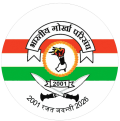
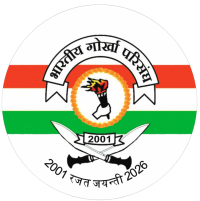
The Bharatiya Gorkha Parisangha (BGP) was established with a vision to unite the Indian Gorkha community under a common banner of patriotism and cultural pride. The organization’s roots are deeply embedded in the year 2001, which is permanently inscribed on our official emblem.
Our guiding motto, "Jai Gorkha - Jai Hind", reflects our dual commitment to the Gorkha identity and our allegiance to the Indian nation.
The Parisangha is a legally recognized body, registered under the West Bengal Societies Registration Act XXVI of 1961. Our commitment to transparency and legal adherence is marked by our registration number S/IL/13548.
The Registered Head Office is located at Shanti Apartment, Rajendra Prasad Nagar, Pradhan Nagar, Siliguri, District Darjeeling, West Bengal.
The BGP is a dynamic organization that evolves to meet the changing needs of the community. Our Constitution is a living document that has been refined through democratic processes at our National Councils. Key milestones in our constitutional history include amendments passed during the National Council meetings in:
2006
2007
2008
2012
2018 (Approved at the National Council meeting).
The current version of our Constitution was published in January 2019.
From its inception, the Parisangha was formed with clear, long-term goals:
Unity: To bring all Nepali-speaking Indian citizens onto a single platform, irrespective of caste, gender, or religion.
- Language Preservation: To promote the Nepali language from primary education up to the university level and ensure its use in government and non-government institutions.
- National Integration: To maintain the sovereignty of India while securing the constitutional rights of Indian Gorkhas.
- Infrastructure: To establish a "Gorkha Bhawan" in the capital, New Delhi, equipped with a guest house, library, museum, and auditorium.
Our identity is visually represented through symbols adopted in our Constitution:
- The Flag: Our white flag symbolizes selflessness and purity (Swarthahinata au Pavitrata).
- The Emblem: Our logo is rich in historical meaning:
- The Marigold Garland: Contains 36 petals, historically representing the 36 castes of the Indian Gorkha community.
- The Torch (Mashal): Held by a right hand, symbolizing enlightenment and struggle.
- The Khukuri: Two crossed Khukuris, the cultural weapon of the Gorkhas, sit at the base, symbolizing bravery and heritage.
Over the years, the Parisangha has expanded its footprint across India, organizing itself into five major zones (anchals) to ensure representation from every corner of the country:
- Purvanchal (East): Assam, Meghalaya, Mizoram, Nagaland, Manipur, Tripura, Arunachal Pradesh.
- Madhyanchal (Central): West Bengal, Sikkim, Bihar, Jharkhand, Odisha.
- Dakshinanchal (South): Karnataka, Andhra Pradesh, Kerala, Tamil Nadu, Puducherry.
- Uttar-Paschimanchal (North-West): Delhi, Rajasthan, Haryana, Chandigarh, Punjab, Uttarakhand, Uttar Pradesh, J&K, Himachal Pradesh.
- Paschimanchal (West): Maharashtra, Goa, Madhya Pradesh, Chhattisgarh, Gujarat.